Dress
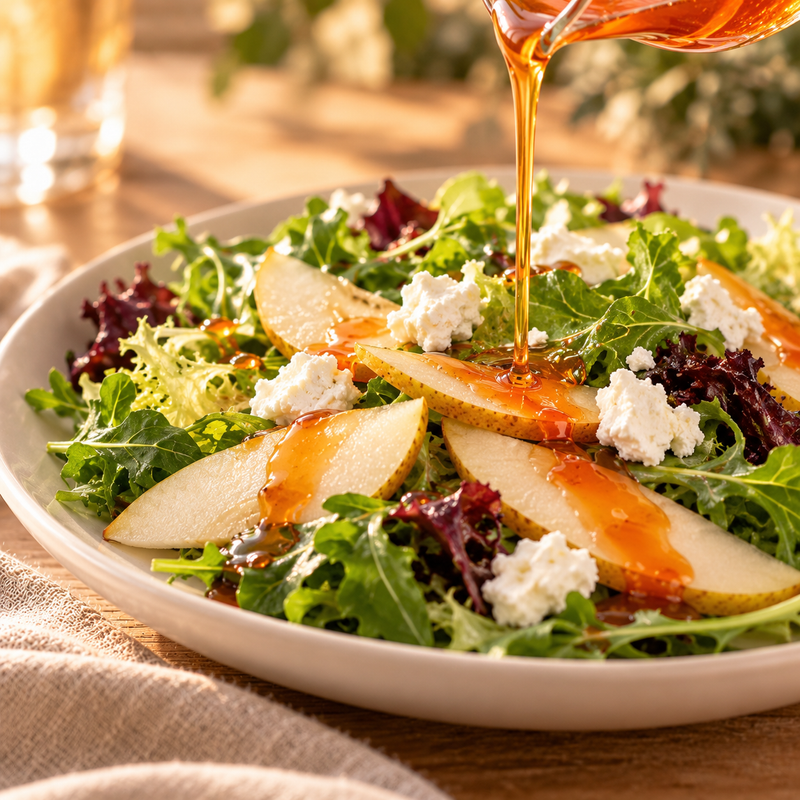
Whisk into a winter salad.
Choose options
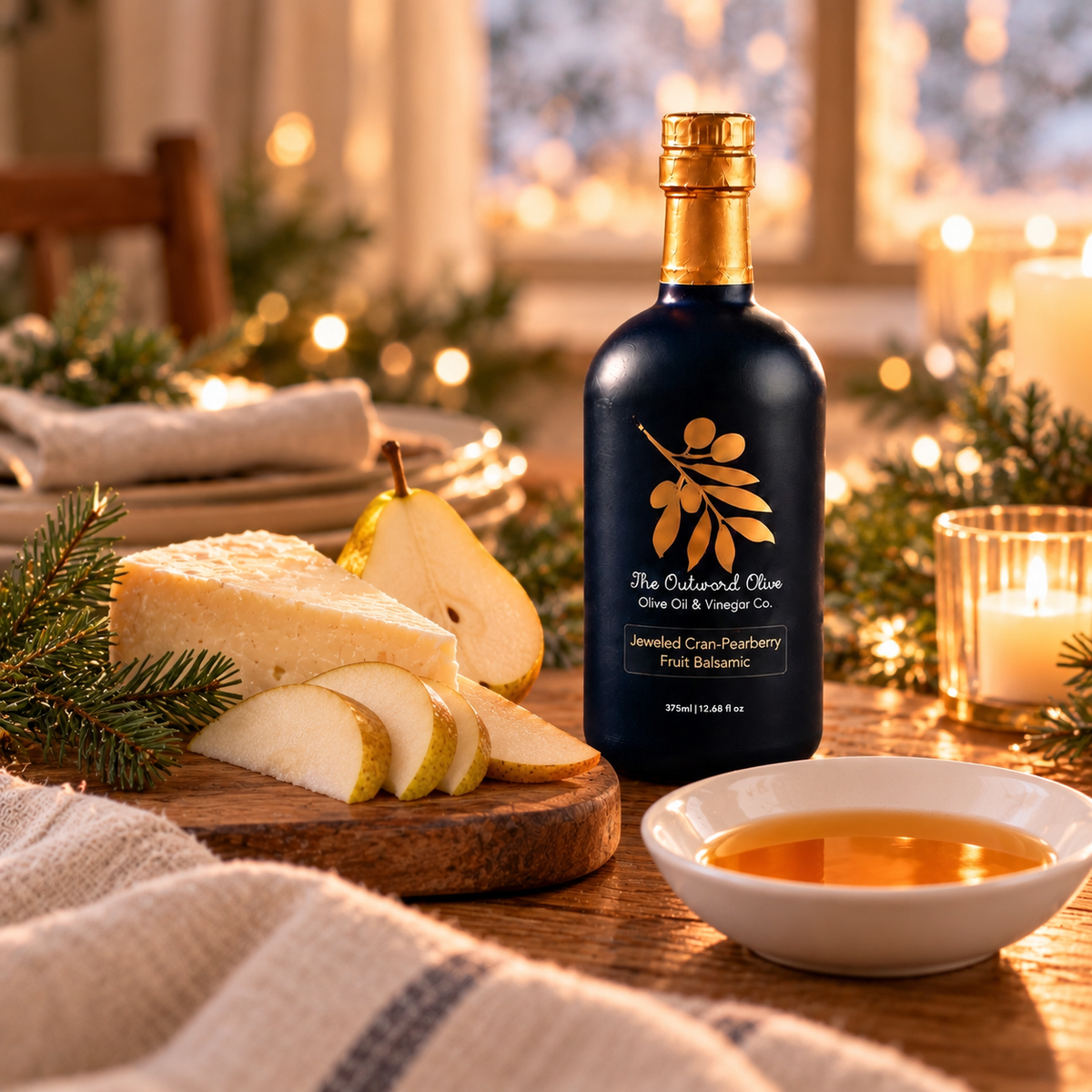
The Balsamic
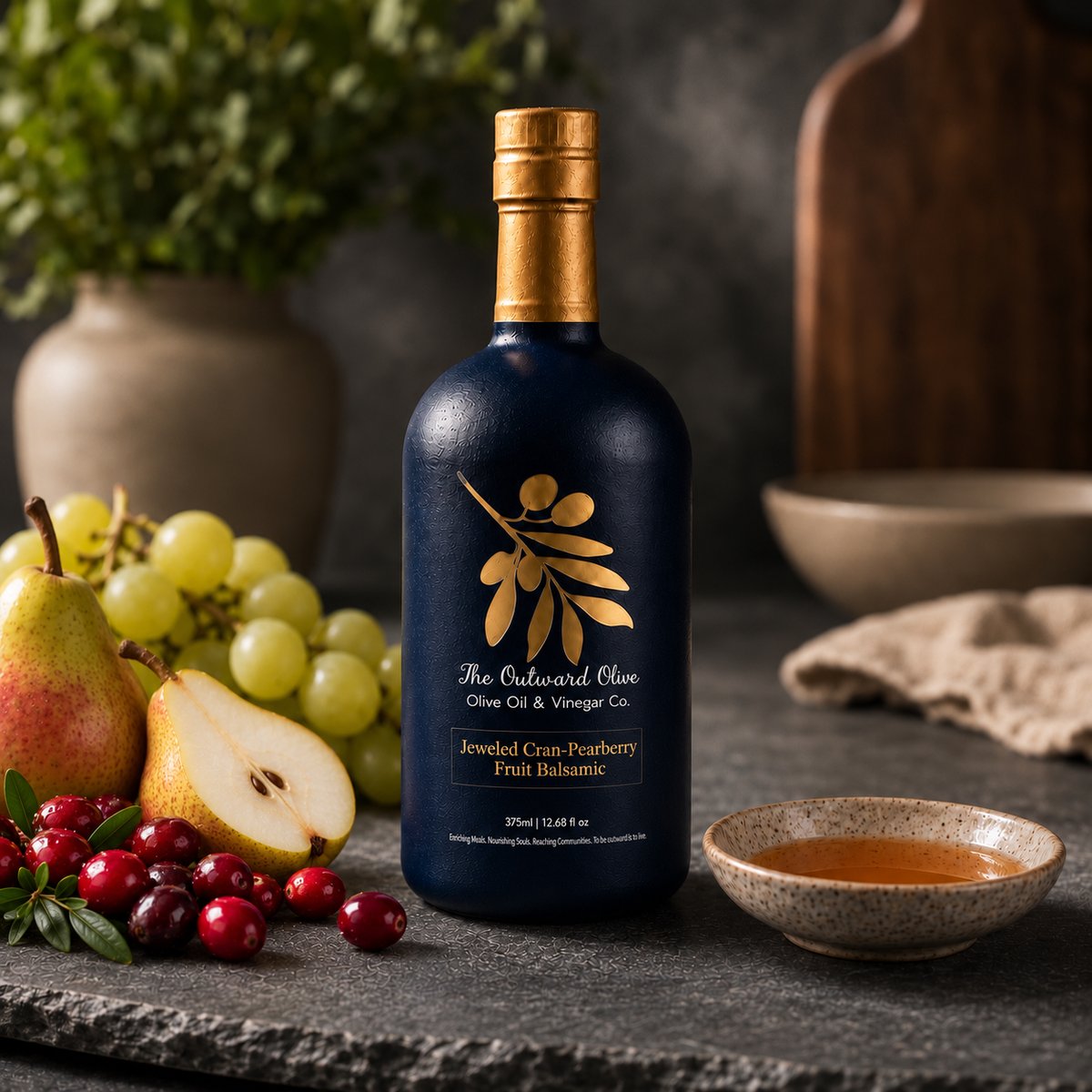
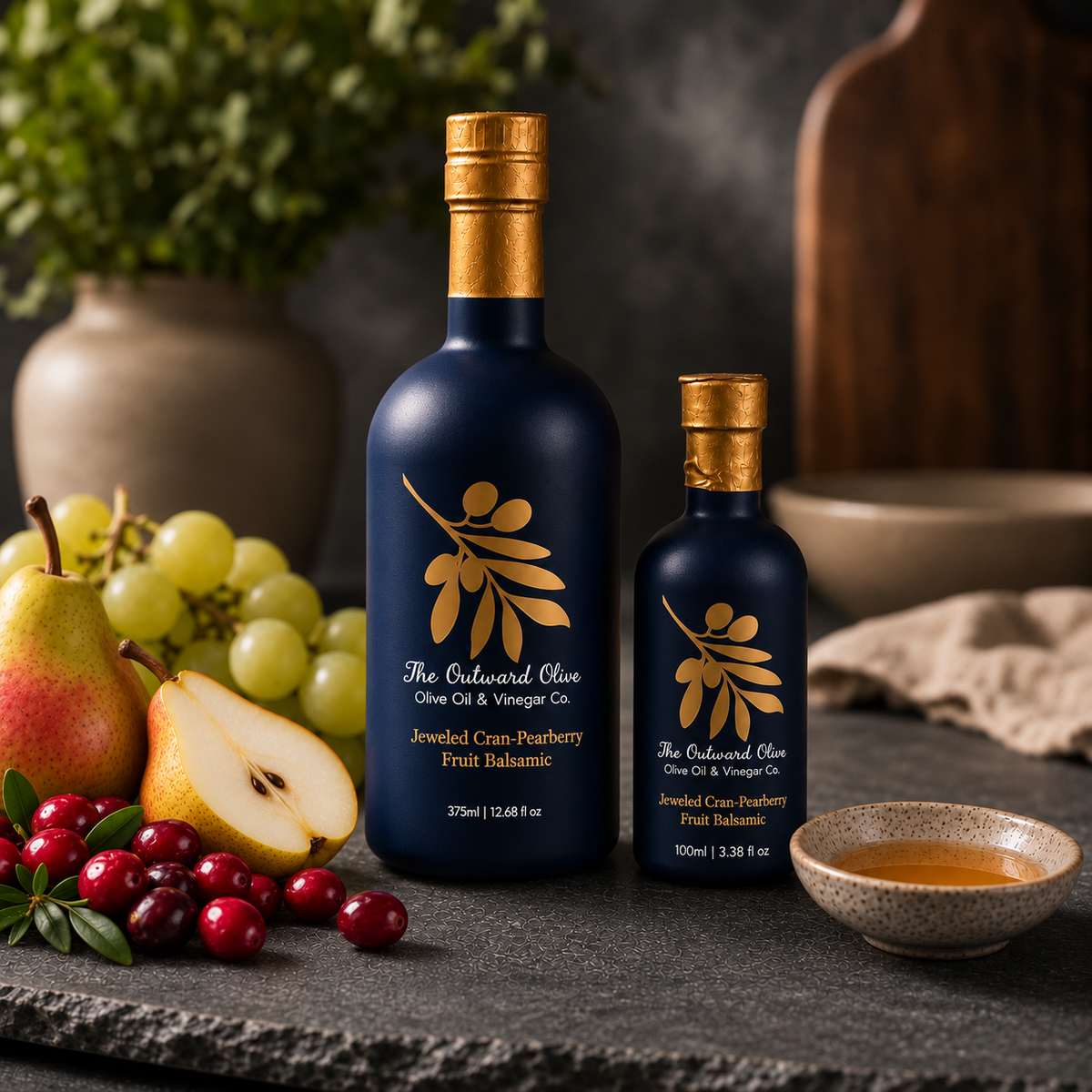
Jeweled Cran-Pearberry is a fruit balsamic made in Nemea, Greece, from Chardonnay, Malagousia and Assyrtiko grapes. It follows the Paradosi Method: the grapes are sun-dried, naturally fermented and aged in barrels, then the vinegar rests with cranberry and pear. It pours a deep orange, lighter than a Modena balsamic, with tart cranberry up front and a long finish of ripe pear.
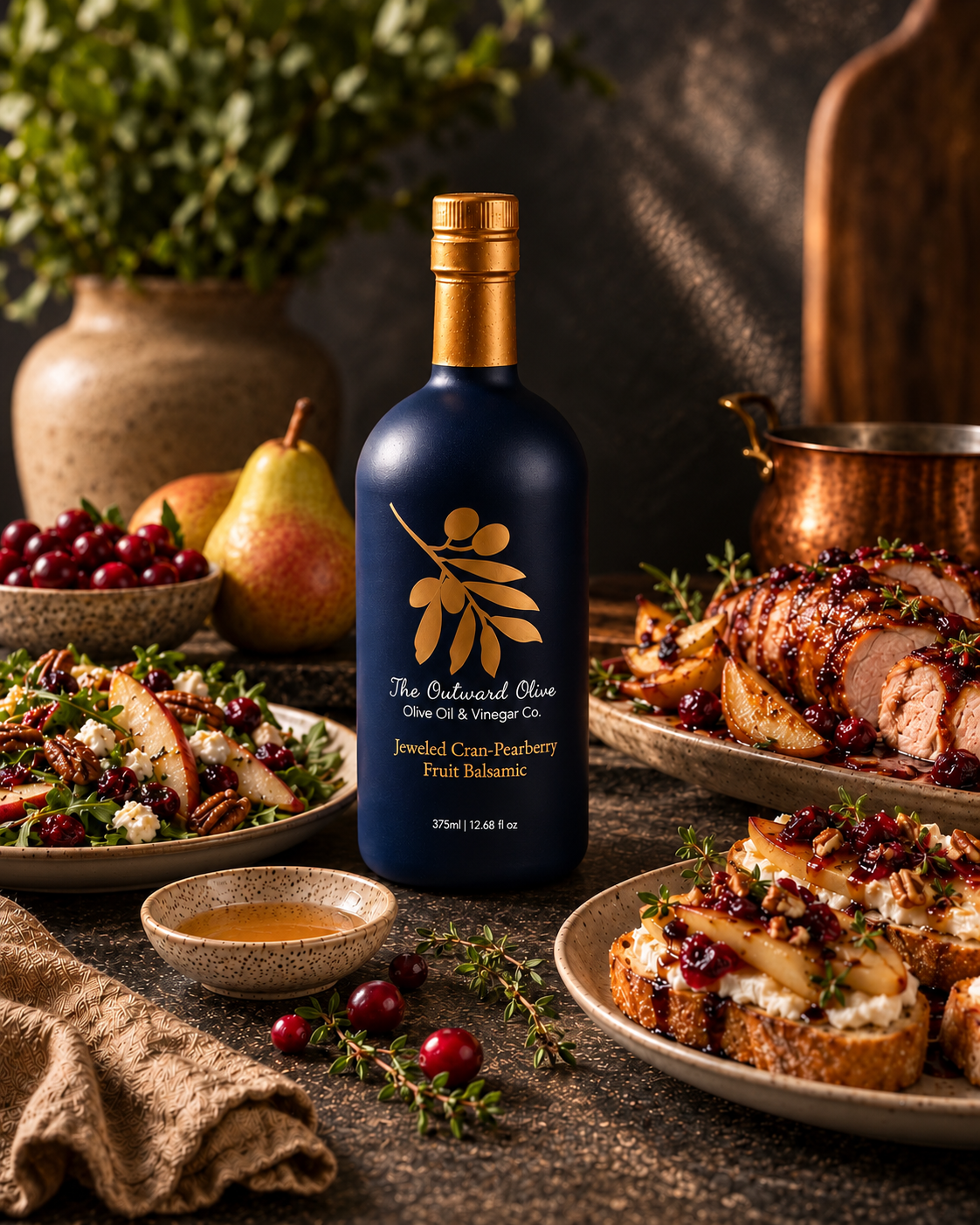
Whisk it into a winter salad, spoon it over aged cheese, pour it over vanilla gelato or splash it into sparkling water.
The details
Grape Must, White Wine Vinegar, Cranberries, Pears
Contains naturally occurring sulfites from raw materials. Processed in a facility that also uses milk, wheat, nuts, and soy.
| Serving size | 1 tbsp (16g) |
|---|---|
| Servings per container | 750ml: 50 · 375ml: 25 · 100ml: 7 |
| Calories | 35 |
| Total sugars | 9 g |
| Origin | Nemea, Greece |
|---|---|
| Grape / base | Chardonnay, Malagousia & Assyrtiko grapes |
| Aging | Barrel aged (Paradosi Method) |
| Acidity | 4% |
Store at room temperature with the cap on, away from heat and direct light. Balsamic vinegar doesn't need to be refrigerated.
We recommend enjoying our extra virgin olive oils within 18 months to 2 years, and our balsamics and vinegars within 4 years. Stored well, they keep their flavor through that time.
Do I need to refrigerate my oil or balsamic?
No. Both keep well at room temperature, capped, away from heat and light.
Do your products contain allergens?
Our olive oils and balsamics are processed in a facility that also uses milk, wheat, nuts and soy. If you have a severe allergy, please contact us before ordering.
What are the sulfites in balsamic vinegar?
Balsamic vinegars contain sulfites that occur naturally in grapes and wine vinegar. If you're sensitive to sulfites, our olive oils are a good choice.
What's the difference between dark and white balsamic?
Dark balsamic is made from grape must and red wine vinegar: rich, deep and sweet. White balsamic is made from grape must and white wine vinegar: lighter and brighter, and it won't darken a salad or sauce.
What's a good oil-to-balsamic ratio for dressing?
Start with 3 parts olive oil to 1 part balsamic. Our balsamics are naturally sweet, so many people like 2 to 1. Whisk, taste and adjust.
Can I taste before I buy?
Yes. Every flavor is on our tasting bar at 794 N Main Street in Crown Point, Indiana. We're open Tuesday through Saturday, 10am to 5pm, and Sunday, noon to 3pm, closed Mondays, with extra evening hours during public events. Can't make it in? Our Mini Olive Oil Tasting Kit brings five 50ml olive oils and a tasting guide to your table.
Sourcing
Our fruit balsamics come from Nemea, one of Greece's historic wine regions. They are made with the Paradosi Method: local grapes such as Chardonnay, Malagousia and Assyrtiko are sun-dried, naturally fermented and aged in barrels, a tradition rooted in Modena and carried into Greek vineyards. The result is lighter than a Modena balsamic and soft in acidity, with the fruit rested in the cask alongside the vinegar so it tastes like the fruit first. We bottle each one by hand in our Crown Point, Indiana tasting room.
Nemea, Greece

Tasting Notes
Notes recorded by our tasting room team.
Flavor notesCranberry · Ripe pear · Gently tart finish
In the kitchen
Four favorites from our tasting room team.
Whisk into a winter salad.
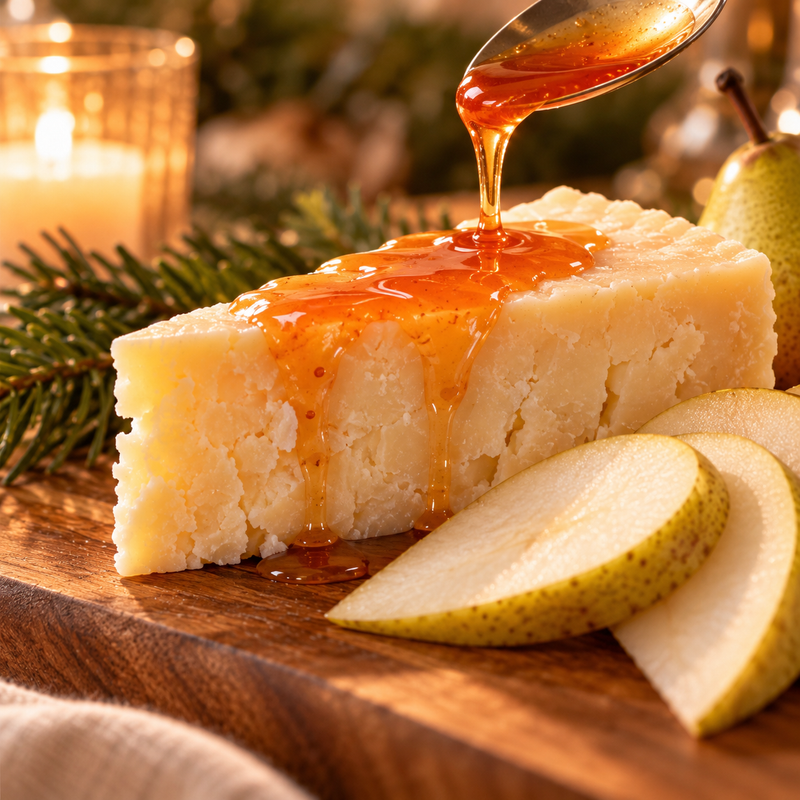
Spoon over aged cheese.
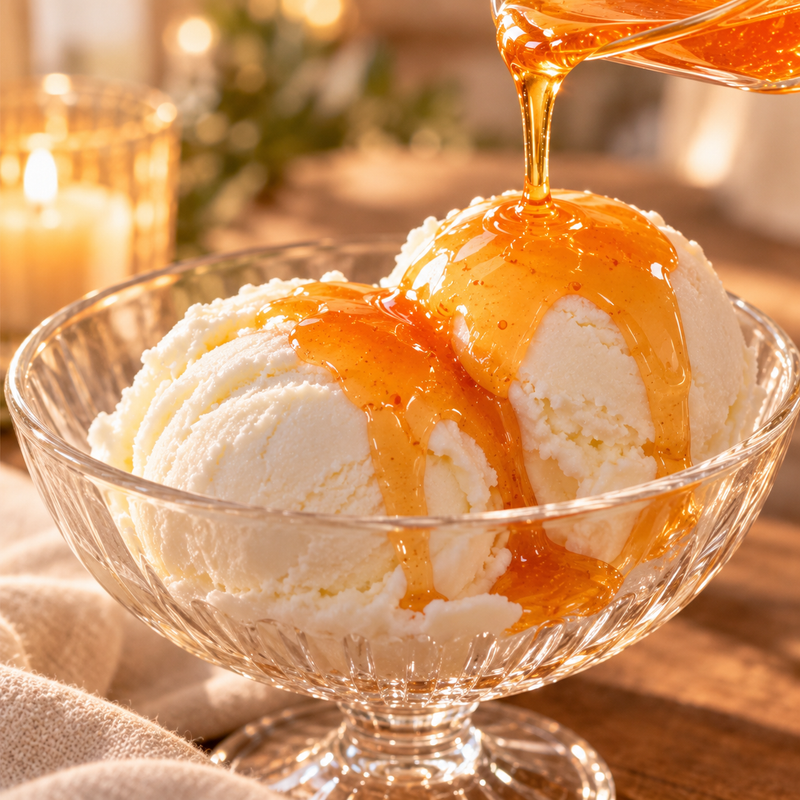
Pour over vanilla gelato.
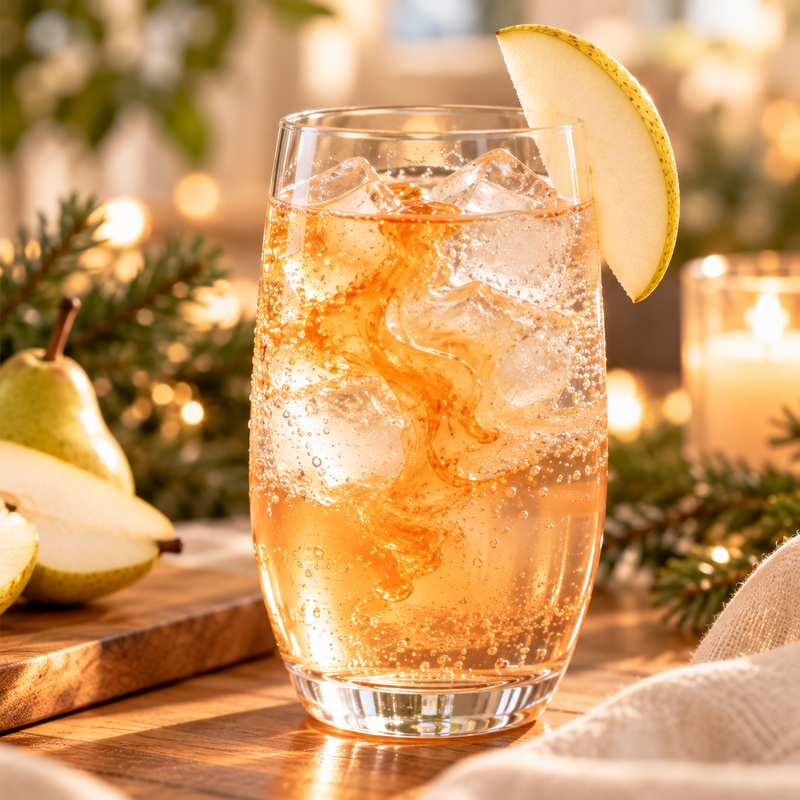
Splash into sparkling water.
Pairings
There are no rules at our table. Here are a few favorites to get you started.
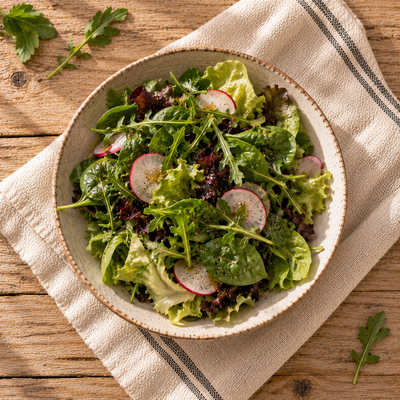
Whisked into a simple vinaigrette.
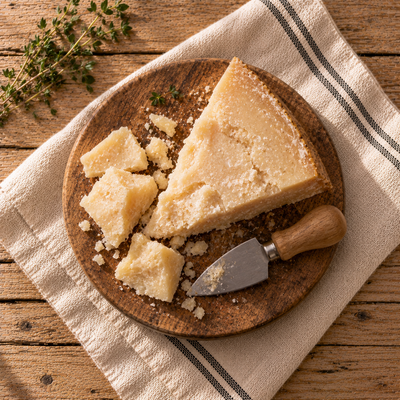
Parmesan, cheddar and aged favorites.
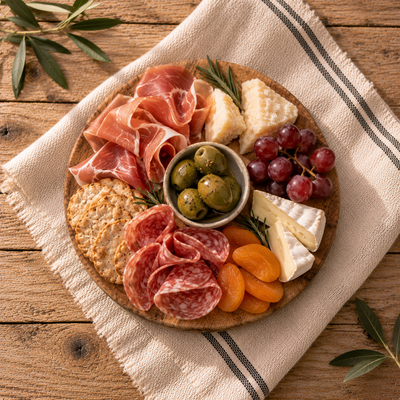
Alongside cured meats and cheeses.

Over ice cream, yogurt or pancakes.
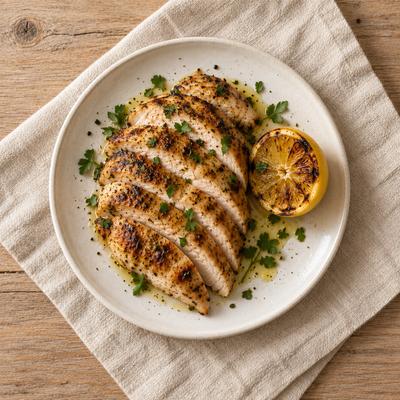
Brushed on before or after cooking.
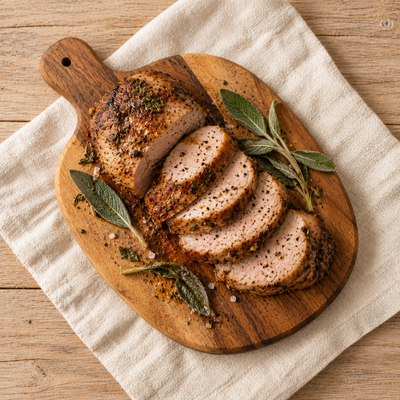
Glazed or drizzled at the end.
From our table
From Our Table
What Our Guests Are Saying

Free shipping on orders over $90
Enjoy complimentary shipping on all orders over $90, delivered right to your door.

Woman Owned & Family Operated
Proudly women owned & family-run from our tasting room in Crown Point, Indiana.

Globally Curated
Every bottle is gathered from small, family-run producers around the world who take pride in every harvest.

Questions? We’re Here To Help
Reach out anytime. We’re happy to help you find the perfect bottle or gift.


