
What “High Phenolic” Actually Means
By Kristina DeRolf, CRNA (Certified Registered Nurse Anesthetist), founder of The Outward Olive
You’ve probably seen the phrase on a bottle and moved past it without much thought. It sounds technical, slightly intimidating, like something meant for people who already know a lot about olive oil. It’s actually one of the simplest ways to tell if an oil is genuinely good.
The Short Version
Phenolic compounds are naturally occurring antioxidants in olive oil. They’re responsible for two things: the peppery bite you feel at the back of your throat when you taste a really fresh oil, and most of the health benefits olive oil is known for. The higher the phenolic count, the more pronounced both of those things tend to be.
Why Early Harvest Matters
Olives harvested early in the season produce less oil, but what you get back is exceptional freshness, intensity, and character. Pressed within hours of harvest and cold extracted, that timing is what preserves the naturally occurring compounds responsible for both flavor and benefit.
What It Looks Like in the Bottle
Our Olea Reserve, an early harvest extra virgin olive oil from a single estate in Greece, tested at 1,307 mg/kg total polyphenols, with 1,030 of that as oleocanthal and 153 as oleacein, two of the specific compounds researchers point to most often. On the palate, that shows up as fruitiness with a pleasant bitterness and a distinctive peppery finish. On the nose, think fresh-cut grass, green herbs, tomato leaf, and green almond.
What to Look For
A genuinely high phenolic oil will almost always have some bite to it. If you taste an oil and feel nothing at the back of your throat, it’s either a very mild varietal or simply a different style, bold and herbaceous is not the only way for an olive oil to be good, but it’s worth knowing the difference.
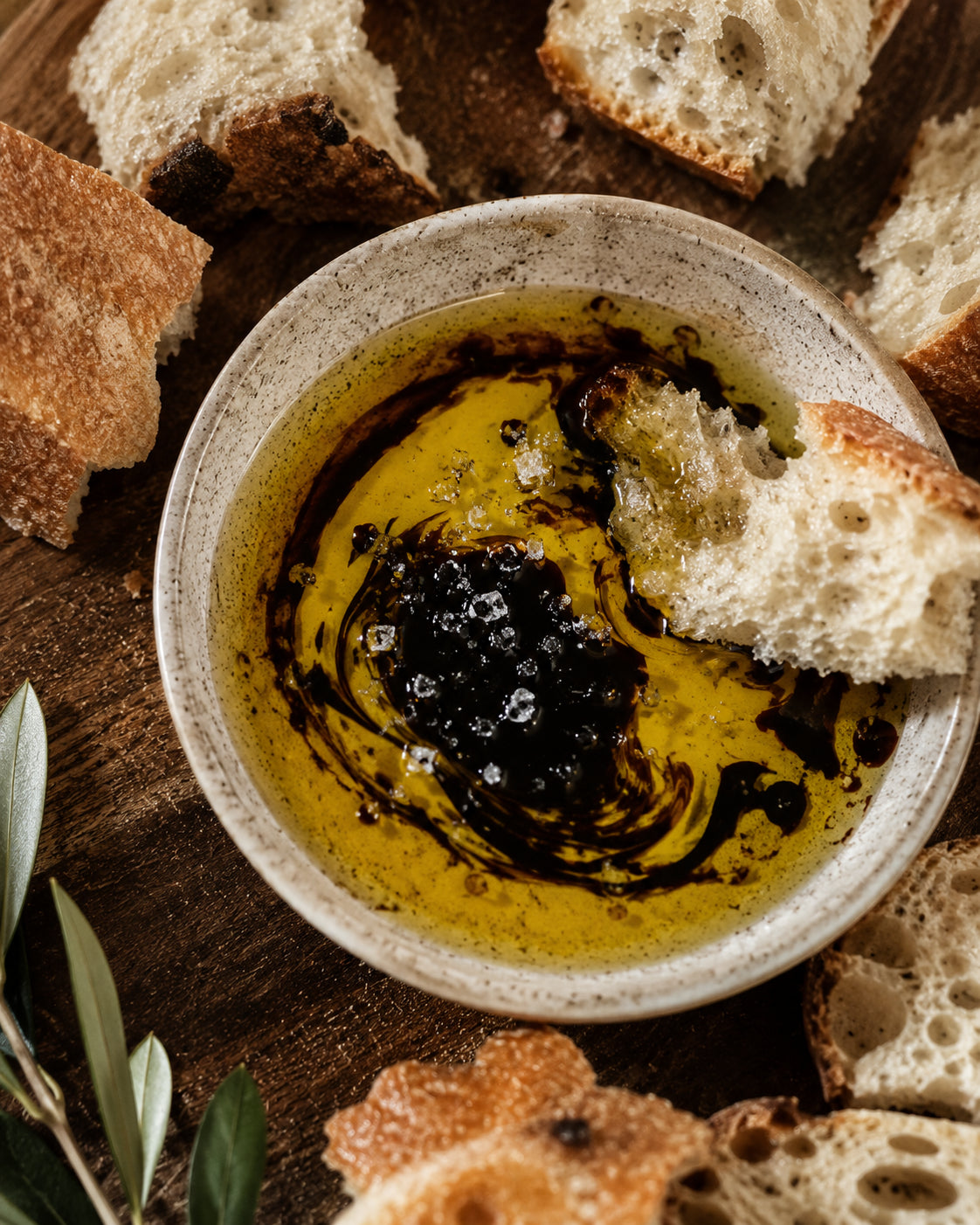
We’d suggest pairing a high phenolic oil like this with warm bread, grilled vegetables, fish, or seasonal dishes, and a tablespoon or two a day is a simple way to enjoy it as part of your routine.
The next time you taste an oil and feel that pepper at the back of your throat, that’s not a flaw. That’s the oil doing exactly what it should.
About the author
Kristina DeRolf is a Certified Registered Nurse Anesthetist (CRNA) and the founder of The Outward Olive in Crown Point, Indiana. She brings a clinician’s eye to how we talk about olive oil and health. This article is for general information and is not medical advice.
Shop the bottle: Olea Reserve






Leave a comment
This site is protected by hCaptcha and the hCaptcha Privacy Policy and Terms of Service apply.